Genital herpes: treatment and preventing recurrence

What is genital herpes and why does it matter?
Genital herpes is a chronic viral infection caused by herpes simplex virus (HSV) type 1 or type 2 and transmitted mainly through sexual contact, including oral sex. According to WHO data, more than 500 million people aged 15–49 are infected worldwide, and most do not know their status. In Ukraine genital herpes ranks second among viral STIs after HPV infection. A particular feature of the disease is that the virus persists for life in the nerve ganglia: after the first episode, HSV lies dormant in the sacral ganglia and reactivates periodically, causing recurrences. The frequency of recurrence ranges from 4–6 times a year with HSV-2 to 1–2 times with HSV-1. Even when there are no visible lesions, the virus can be shed without symptoms (subclinical shedding), which makes transmission possible at any time. Risk factors for recurrence include stress, weakened immunity, menstruation, cold exposure, excessive sun exposure and surgery. Timely treatment and prevention substantially reduce the frequency of flares and improve quality of life.
Clinical features and course
Genital herpes has a characteristic clinical picture, which depends on whether this is a first episode or a recurrence:
- First episode: occurs 2–12 days after infection and is usually the most severe. Grouped painful blisters on a red base appear on the skin and mucous membranes of the genitals; after 2–4 days they break down to form erosions and ulcers. It is accompanied by burning pain, itching, painful urination, enlarged inguinal lymph nodes, general malaise and a temperature of 38–39°C. In women the lesions are most often on the vulva, perineum and cervix; in men on the glans, foreskin and shaft. Without treatment the first episode lasts 2–4 weeks.
- Recurrent herpes: usually milder than the first episode — fewer lesions, milder general symptoms, lasting 7–10 days. In 50–70% of patients, prodromal symptoms appear 12–24 hours before the lesions: tingling, itching, burning or a dragging pain in the area where the lesions will appear, sometimes radiating to the thigh or buttocks. Recognising the prodrome matters, because it allows episodic treatment to be started in time. The frequency of recurrence is highest in the first year after the initial episode and gradually decreases over time.
- Atypical course: in 20–30% of cases genital herpes runs an atypical course — recurrent fissures, slight redness, itching without typical blisters, or isolated painful urination. Atypical forms often go unrecognised and are misdiagnosed as candidiasis, bacterial vaginosis or contact dermatitis. That is why laboratory confirmation is crucial in any recurrent genital symptoms.
- Complications: herpetic meningitis (Mollaret's syndrome), urinary retention from involvement of the sacral nerve plexus, secondary bacterial infection, erythema multiforme. In immunocompromised patients (HIV, transplantation) herpes can take a severe disseminated course with ulcerative and necrotic lesions. Neonatal herpes is a rare but life-threatening complication where the baby is infected during delivery.
Modern methods of diagnosis
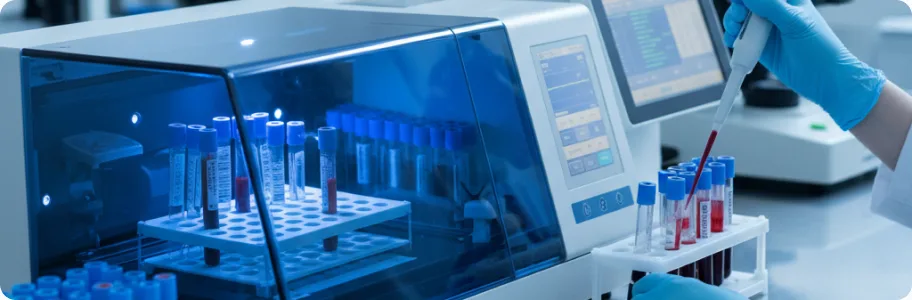
Diagnosis rests on the clinical picture and laboratory confirmation. PCR (polymerase chain reaction) is the gold standard: it detects HSV DNA in material from the lesions with a sensitivity of up to 98% and distinguishes HSV-1 from HSV-2, which matters for predicting how often recurrences will occur. Viral culture — isolating the virus in cell culture — remains valuable for determining sensitivity to antiviral drugs where resistance is suspected. Serological tests (ELISA for type-specific IgG antibodies to HSV-1 and HSV-2) detect infection even when there are no clinical signs; IgG appears 2–12 weeks after infection. Cytology (the Tzanck test) — finding giant multinucleated cells in smears from the base of a blister — has low sensitivity (40–60%) and is not recommended as the only method. The diagnostic algorithm: where lesions are present, PCR with typing followed by serology to establish whether the episode is primary or recurrent; where there are no lesions, type-specific serology.
Treatment: current protocols
Antiviral drugs of the nucleoside analogue group are the basis of treatment for genital herpes. Three drugs have proven effectiveness: aciclovir, valaciclovir and famciclovir. Treatment of a first episode: aciclovir 400 mg three times a day or valaciclovir 500 mg twice a day for 7–10 days; in severe disease, intravenous aciclovir 5–10 mg/kg every 8 hours. Episodic treatment of recurrences is most effective when started early (during the prodrome or within the first 24 hours of lesions appearing): valaciclovir 500 mg twice a day for 3 days, or famciclovir 1000 mg twice a day for 1 day. Suppressive (long-term) therapy is indicated where there are 6 or more recurrences a year, where quality of life is substantially affected, or to reduce the risk of transmission to a seronegative partner. Valaciclovir 500 mg daily or aciclovir 400 mg twice a day continuously for 6–12 months, then reassessed. Suppressive therapy reduces the frequency of recurrences by 70–80% and the risk of transmission to a partner by 48%. The safety of long-term use is confirmed by studies lasting up to 6 years.
Preventing recurrence and transmission
Prevention has both drug and non-drug components. Suppressive antiviral therapy is the most effective method, reducing the frequency of recurrences by 70–80% and subclinical viral shedding by 90%. Avoiding triggers: managing stress (psychotherapy, relaxation, exercise), regular sleep, avoiding cold and excessive sun exposure, and supporting general immunity (a balanced diet, adequate vitamin D and C and zinc). Preventing transmission: consistent condom use reduces the risk of transmission by 30–50%, but does not give complete protection, because contact with skin outside the covered area is still possible. Abstaining from sexual contact during lesions and during the prodrome is essential. Combining suppressive therapy with condoms gives maximum protection — reducing the risk of transmission by up to 75%. Telling a partner about the diagnosis is ethically necessary and legally advisable. There is no vaccine against genital herpes at present, but several candidate vaccines are in clinical trials.
When to seek help immediately
See a dermatovenerologist immediately when painful grouped blisters or ulcers first appear in the genital area — early diagnosis and treatment shorten the first episode and reduce the risk of complications. An urgent examination is needed for atypical recurrent symptoms — repeated fissures, unexplained itching or burning in the genital area, even without visible blisters. A consultation is essential if recurrences occur more than 6 times a year or substantially affect quality of life and emotional wellbeing — the doctor will select a suppressive regimen. Pregnant women with a history of genital herpes must inform their obstetrician so that delivery can be planned and neonatal herpes prevented. See a doctor if lesions have not healed within 2 weeks, are spreading to new areas, or are accompanied by urinary retention — this may indicate a complicated course. Remember: genital herpes is a manageable condition, and modern antiviral treatment allows most patients to live a full life with a minimum of recurrences.
Related reading

Did not find the answer to your question?
Every case is individual. If you have noticed changes in your skin, or have symptoms that concern you, book a consultation.