Scalp care: a dermatologist's complete guide
Why scalp health matters
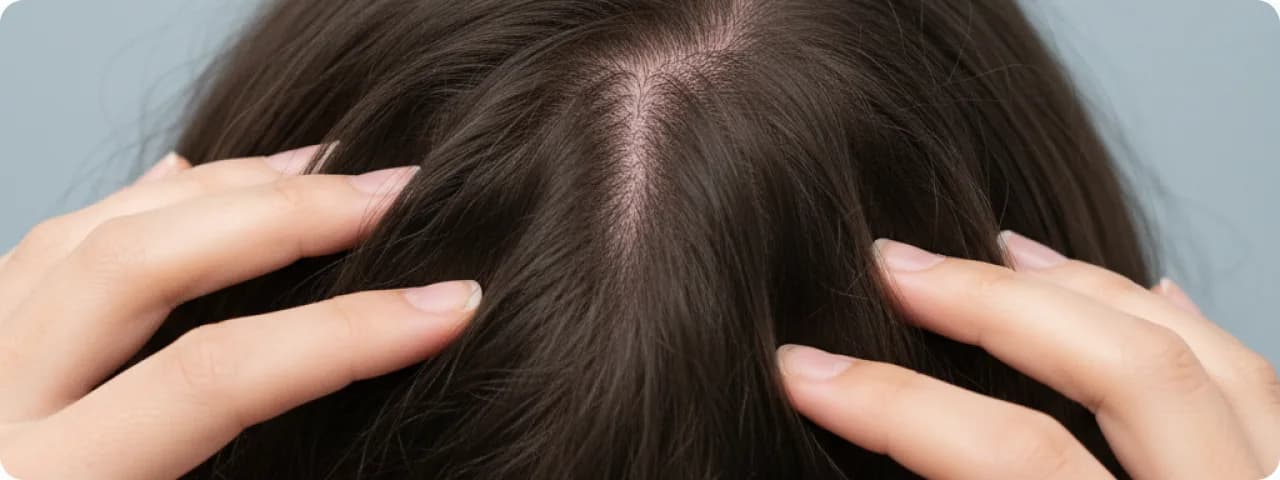
The scalp is the foundation of healthy hair. The quality, density and rate of hair growth all depend on its condition. Unlike the skin of the face or body, the scalp has the highest density of hair follicles and sebaceous glands — up to 900 per square centimetre. That makes it particularly vulnerable to disturbances of the microbiome, to excessive dryness or oiliness, and to inflammation. Many people concentrate on hair care and ignore the scalp, and that is the main mistake. Dandruff, itching, redness, excessive oiliness or dryness are all signals that the scalp needs attention. A dermatological approach means working systematically: proper cleansing, hydration, protection of the microbiome and timely treatment of any disease.
Scalp types and their characteristics
Like facial skin, the scalp comes in different types, each of which needs its own approach. Identifying your type is the first step to effective care:
- normal scalp: balanced sebum production, no dandruff and no itching. Hair stays fresh for 2–3 days after washing. It needs maintenance care with gentle products to preserve its natural balance. Washing every 2–3 days with a pH-neutral shampoo is recommended.
- oily scalp: overactive sebaceous glands, hair loses its freshness quickly. Often accompanied by seborrhoeic dermatitis. It needs regular cleansing with shampoos containing salicylic acid or zinc, but without harsh surfactants — these provoke even more sebum production.
- dry scalp: insufficient sebum production, a feeling of tightness, fine white flakes. It often worsens in winter because of dry air and hot water. It needs moisturising shampoos with glycerine, urea or hyaluronic acid, and less frequent washing.
- sensitive scalp: reacts with irritation to cosmetic products, to changes in temperature and to stress. It is characterised by redness, burning and micro-inflammation. It needs hypoallergenic products free of fragrance and dyes, with soothing components — allantoin, bisabolol, thermal water.
Daily care: cleansing and hydration
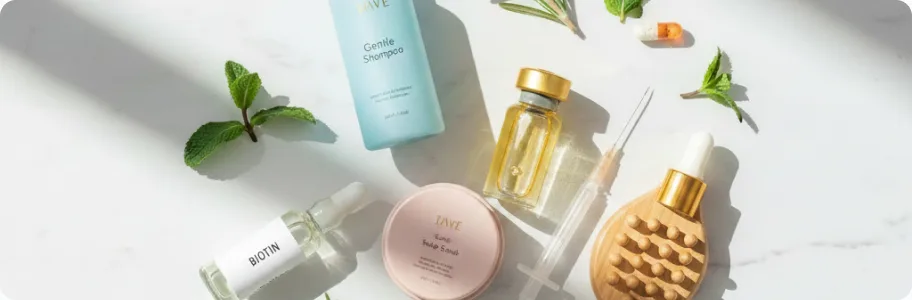
Proper cleansing is the basis of scalp health. Shampoo is applied directly to the scalp rather than along the length of the hair, and massaged in with the fingertips for 1–2 minutes. The water should be warm (36–38°C) — hot water stimulates excess sebum production and damages the hydrolipid film. How often to wash is individual: for an oily scalp, daily or every other day; for a normal one, every 2–3 days; for a dry one, twice a week. Conditioner is applied only to the length of the hair, avoiding the scalp. Once a week it is useful to use a scalp scrub or peel — it removes dead cells and styling residue and improves microcirculation. After washing, blot the hair with a towel rather than rubbing it — mechanical friction damages the cuticle and irritates the skin.
Common scalp problems
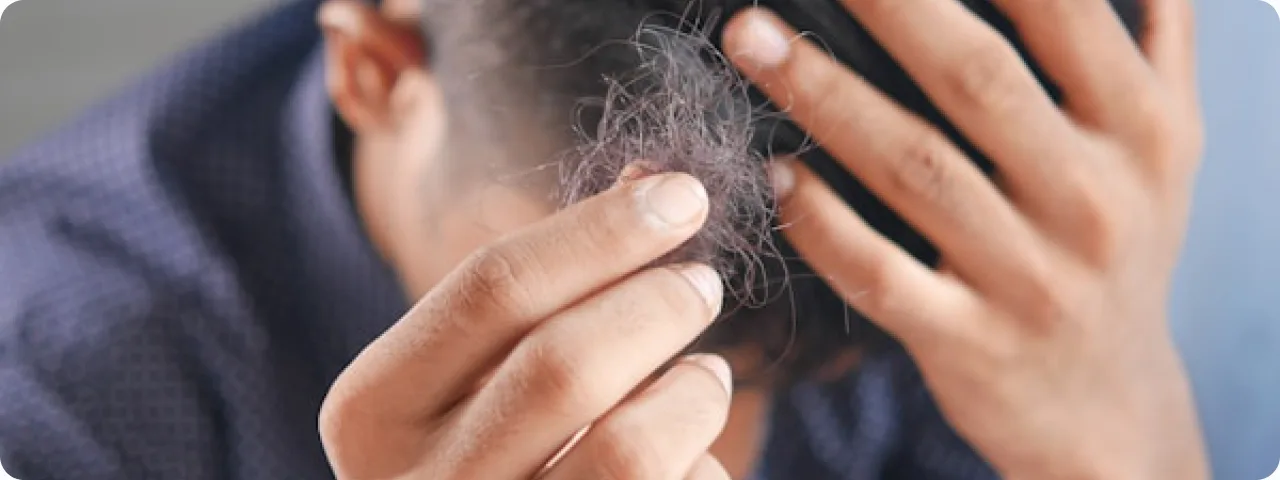
The most frequent complaints are dandruff, seborrhoeic dermatitis, itching and increased sensitivity of the scalp. Dandruff (pityriasis) may be dry (fine white scales) or oily (large yellowish flakes), and each type needs different treatment. Seborrhoeic dermatitis is a chronic inflammation caused by the Malassezia fungus, presenting with redness, scaling and itching. Contact dermatitis arises as a reaction to ingredients in shampoos, dyes or styling products. Scalp psoriasis is characterised by thick silvery-white plaques. Folliculitis is a bacterial inflammation of the hair follicles. Each of these problems requires an accurate diagnosis and an individual treatment plan.
When to see a dermatologist
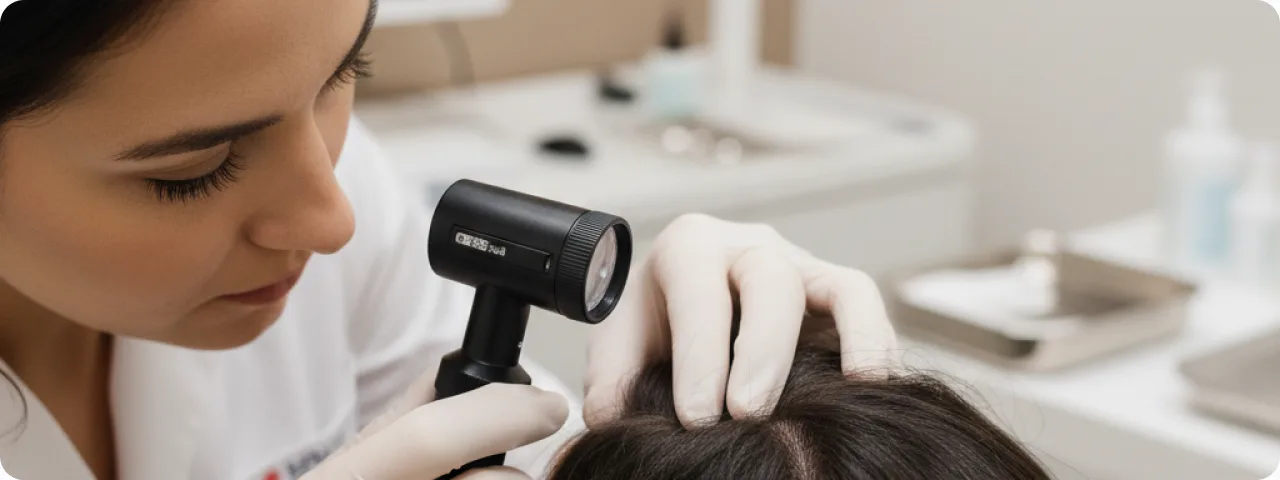
It is worth seeing a dermatologist if scalp problems do not resolve after 2–3 weeks of home care. Warning signs that call for professional advice: persistent dandruff that does not respond to specialised shampoos, severe or constant itching, redness and inflammation of the scalp, the appearance of plaques, crusts or ulcers, unusual hair loss, pain or burning of the scalp, and lesions that are growing or changing shape. A dermatologist will perform trichoscopy — a magnified digital examination of the scalp and hair follicles — order laboratory tests if needed (a fungal scraping, a bacterial culture) and draw up an individual treatment plan.
Professional scalp treatments
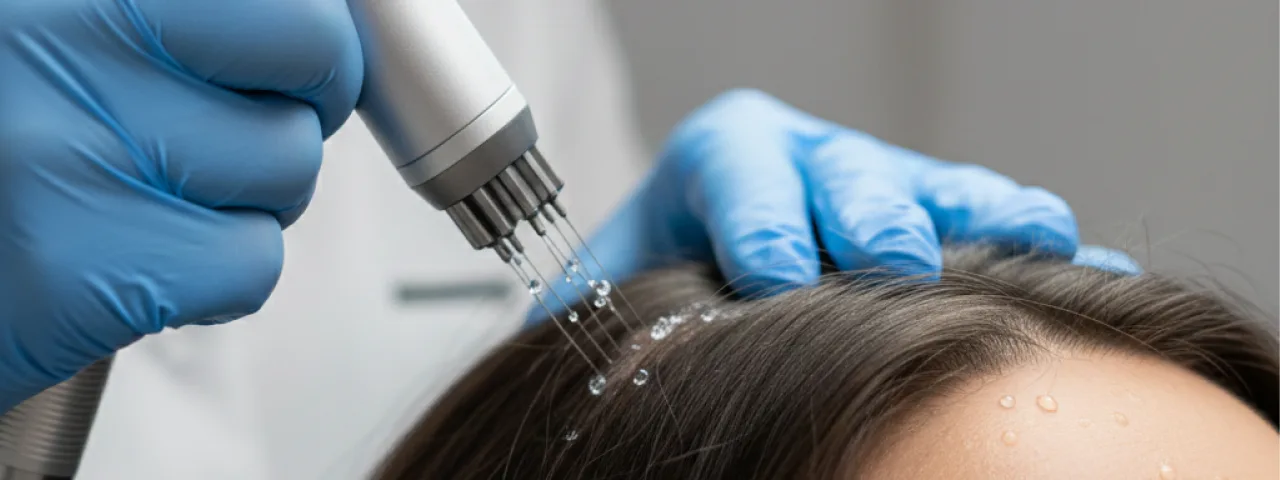
Modern dermatology offers a wide range of procedures for restoring scalp health. A professional peel based on glycolic or salicylic acid cleanses deeply and normalises the microbiome. Mesotherapy with vitamins and peptides improves nourishment of the follicles. Laser therapy (LLLT) stimulates microcirculation and cell renewal. Platelet-rich plasma therapy (PRP) uses the patient's own blood plasma to regenerate tissue. Ozone therapy has a powerful antibacterial and antifungal effect. Cryomassage with liquid nitrogen relieves inflammation and itching. The choice of procedure depends on the diagnosis, so always begin with a dermatologist's consultation — self-treatment can make the condition of the scalp worse.
Related reading
Did not find the answer to your question?
Every case is individual. If you have noticed changes in your skin, or have symptoms that concern you, book a consultation.