Alopecia: types, causes and treatment of hair loss
What is alopecia?
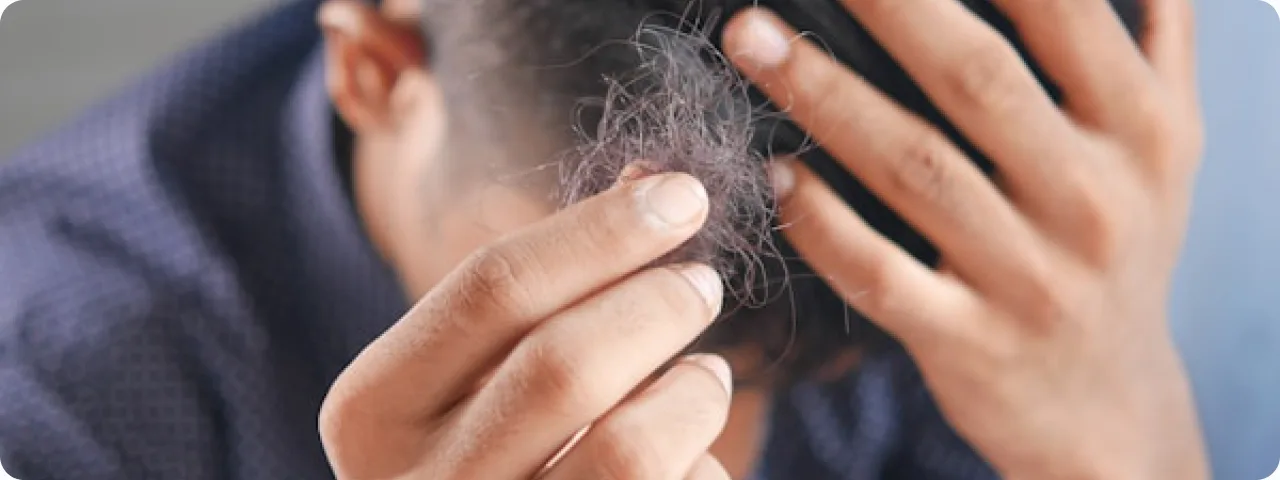
Alopecia is pathological hair loss that can lead to partial or complete baldness. It is a condition in which the hair follicles are damaged or enter a resting phase, disrupting the normal cycle of hair growth. Alopecia can affect the scalp, the face and other areas of the body. It occurs in people of any age and sex, but its presentation and causes differ according to the type.
Causes and risk factors
Hair loss can be caused by a range of factors, from genetic predisposition to environmental influences. The main causes of alopecia include:
- genetic predisposition: androgenetic alopecia is the most common type and is inherited, causing gradual thinning of the hair under the influence of dihydrotestosterone (DHT).
- autoimmune disorders: in alopecia areata the immune system attacks the body's own hair follicles, causing sudden patchy hair loss.
- hormonal changes: pregnancy, the menopause, thyroid disease and polycystic ovary syndrome can disrupt the hair growth cycle.
- external factors: chronic stress, deficiencies of iron and vitamins (D, B12, biotin), certain medications, and mechanical damage to the hair (tight hairstyles, chemical processing).
Types of alopecia
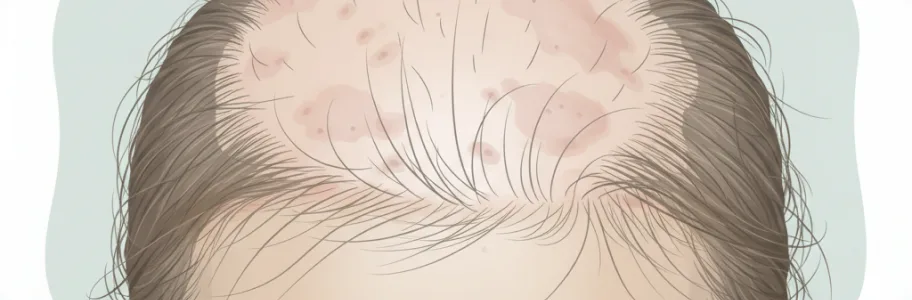
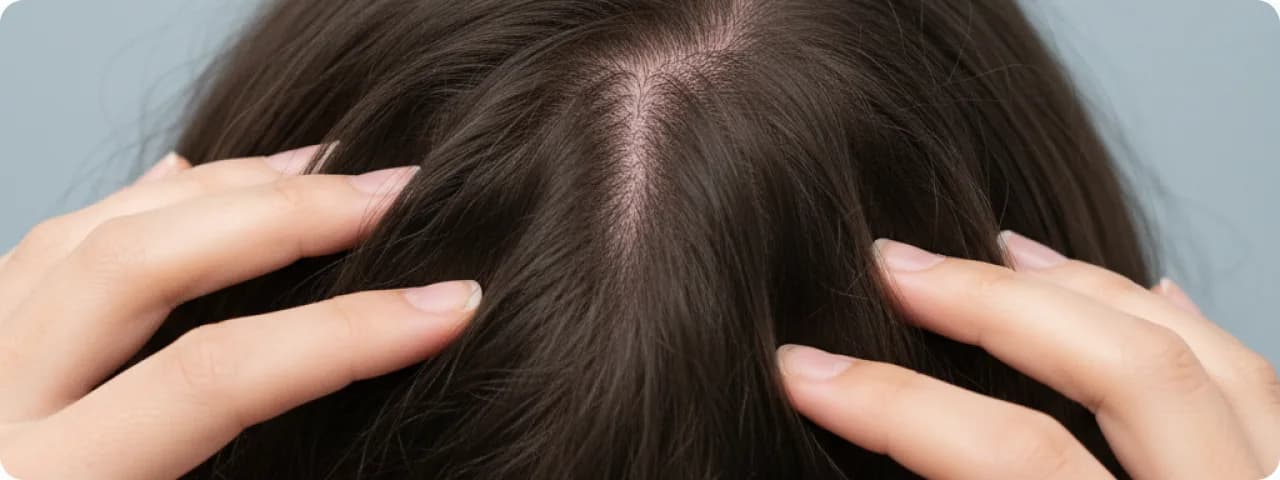
Several main types of alopecia are recognised: androgenetic (gradual thinning in the frontal and vertex area in men and diffuse thinning in women), alopecia areata (the sudden appearance of round bald patches), diffuse telogen effluvium (even shedding across the whole scalp after stress or illness), scarring alopecia (irreversible destruction of the follicles following inflammation or injury) and traction alopecia (loss caused by constant mechanical tension on the hair).
Diagnosing alopecia
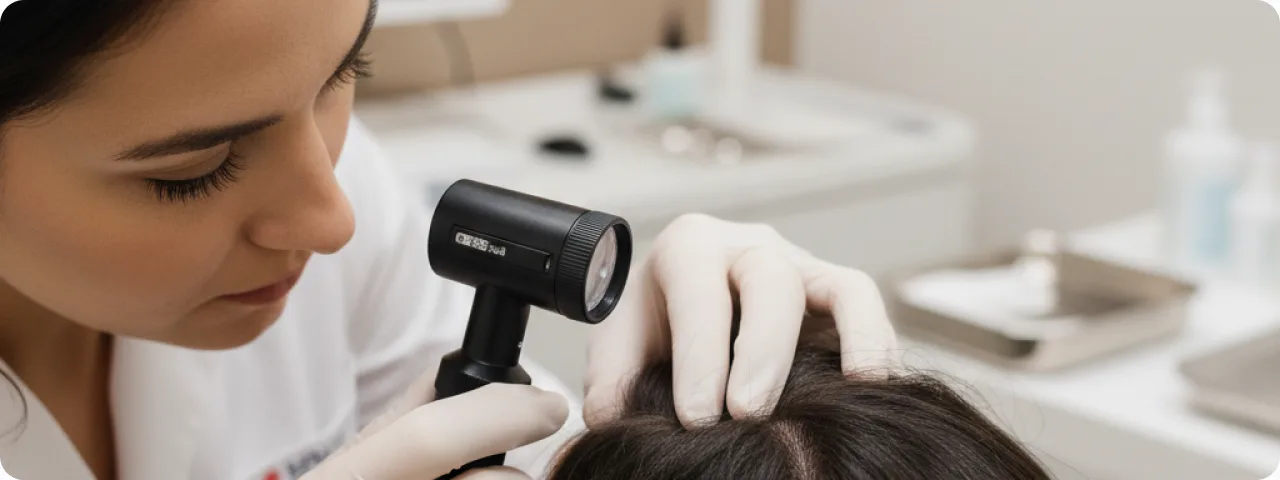
Diagnosis begins with a detailed history and clinical examination. Trichoscopy (dermatoscopy of the scalp) allows the state of the follicles to be assessed and miniaturisation of the hair and signs of inflammation to be identified. A trichogram determines the ratio of hairs in the growth (anagen) and resting (telogen) phases. Laboratory tests include iron, ferritin, vitamin D, thyroid hormones and sex hormones. Where scarring alopecia is suspected, a scalp biopsy is performed.
Current treatment
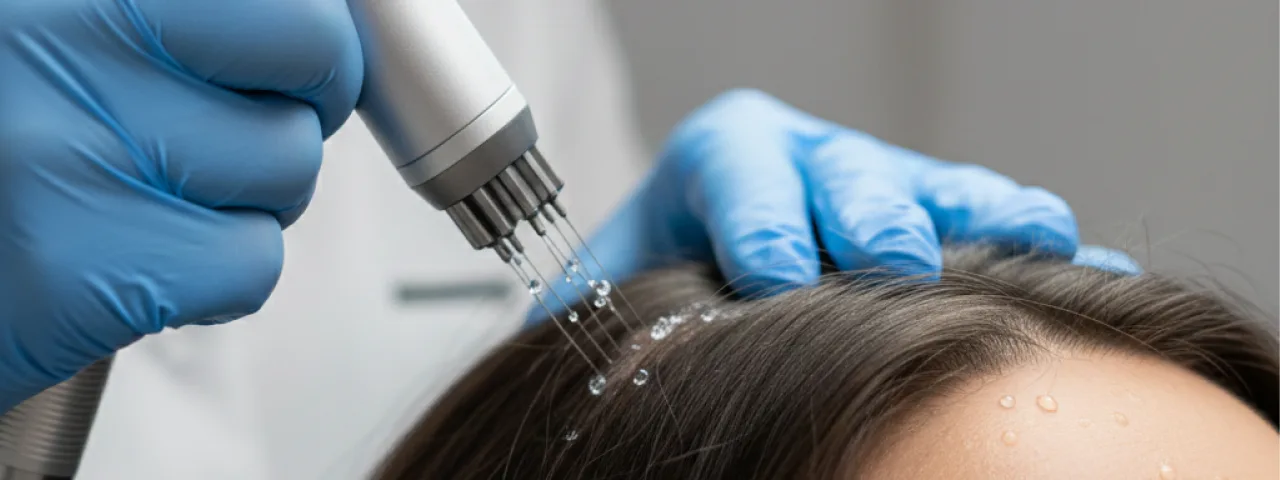
Treatment depends on the type of alopecia and its cause. Drug treatment includes minoxidil (which stimulates hair growth) and finasteride (which blocks DHT in androgenetic alopecia). In alopecia areata, corticosteroids are used (topically, by injection or systemically) along with immunotherapy. Current methods include PRP therapy (platelet-rich plasma), mesotherapy and low-level laser therapy (LLLT). Where baldness is extensive, hair transplantation is performed using the FUE or FUT technique.
Advice for patients
To keep hair healthy it is recommended to eat a balanced diet with enough protein, iron, zinc and vitamins, to avoid tight hairstyles and harsh chemical treatments, to minimise heat when styling, to manage stress, to use gentle sulphate-free shampoos, and to see a trichologist regularly at the first signs of excessive shedding.
Related reading
Did not find the answer to your question?
Every case is individual. If you have noticed changes in your skin, or have symptoms that concern you, book a consultation.