Antifungal shampoos: how to choose and use them
When is an antifungal shampoo needed?
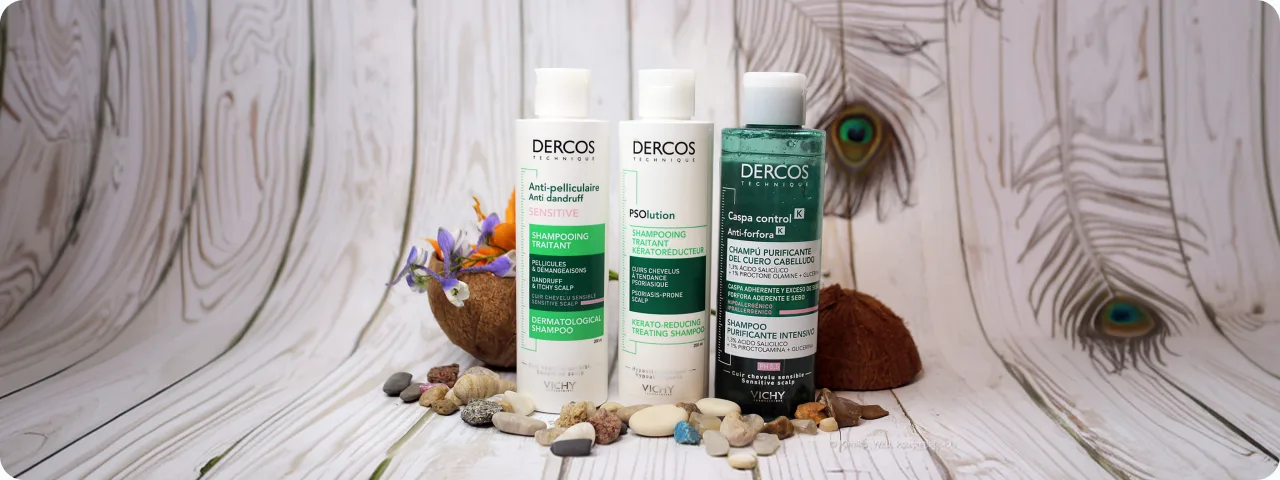
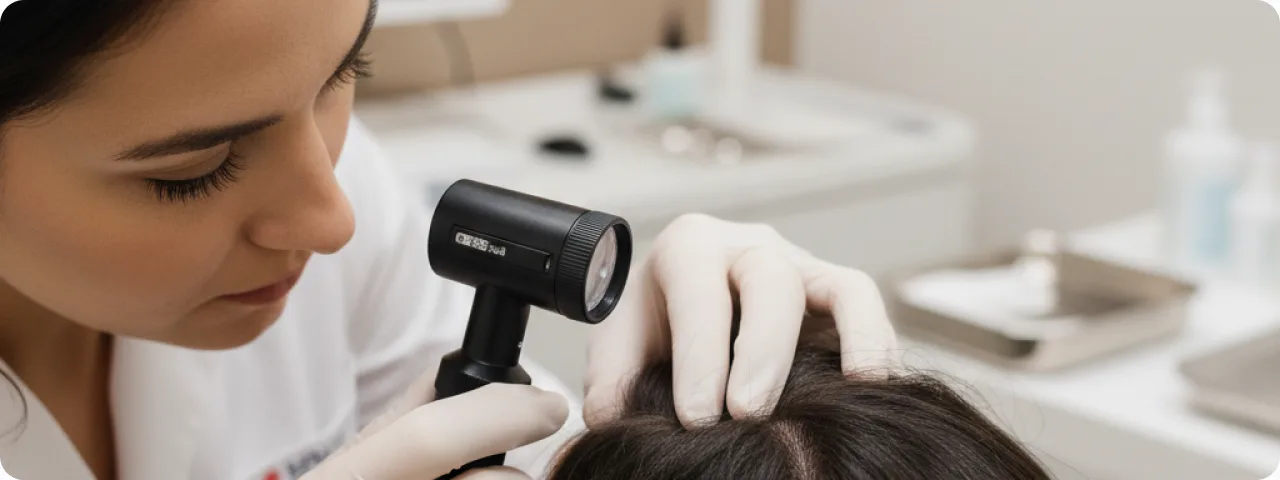
Fungal infections of the scalp are a common problem, presenting with persistent flaking, itching, redness and sometimes hair loss. The organisms responsible are most often fungi of the genus Malassezia (in seborrhoeic dermatitis and dandruff) and dermatophytes (in tinea capitis). An antifungal shampoo is prescribed when ordinary anti-dandruff products have no effect, when the flaking is increasing, when yellowish or white crusts appear, and when the itching becomes constant. Self-diagnosis is unreliable — the symptoms of a fungal infection are easily confused with psoriasis or contact dermatitis, so a dermatologist's consultation before starting treatment is essential.
The main active ingredients in medicated shampoos
The effectiveness of an antifungal shampoo is determined by its active ingredient. Each substance has its own spectrum of activity and its own particulars of use:
- ketoconazole (1–2%): the most thoroughly studied antifungal ingredient. It suppresses the growth of Malassezia and dermatophytes and reduces inflammation. Shampoos with 2% ketoconazole are prescription-only; 1% is available over the counter. The recommended course is twice a week for 4–8 weeks.
- zinc pyrithione (1–2%): has antifungal and antibacterial activity and regulates the sebaceous glands. Effective in mild seborrhoeic dermatitis and in preventing relapse. Well tolerated and suitable for regular use.
- selenium sulphide (1–2.5%): slows the turnover of epidermal cells and kills the fungus. Effective where flaking is marked. It can alter the shade of coloured hair, so it needs to be rinsed out thoroughly.
- ciclopirox (1–1.5%): a broad-spectrum antifungal agent with anti-inflammatory properties. It acts on Malassezia, on dermatophytes and on some bacteria. It is particularly effective in resistant seborrhoeic dermatitis that does not respond to ketoconazole.
How to choose the right antifungal shampoo
The choice of shampoo depends on the diagnosis, the severity and individual factors. For mild dandruff an over-the-counter product with zinc pyrithione or 1% ketoconazole is enough. For confirmed seborrhoeic dermatitis a dermatologist may prescribe a shampoo with 2% ketoconazole or ciclopirox. For children and in pregnancy there are restrictions — not all active substances are permitted, so self-treatment is not acceptable. Pay attention to the additional ingredients: salicylic acid helps lift the scales, aloe and panthenol soothe irritated skin, and cocamidopropyl betaine provides gentle cleansing without over-drying.
How to use a medicated shampoo
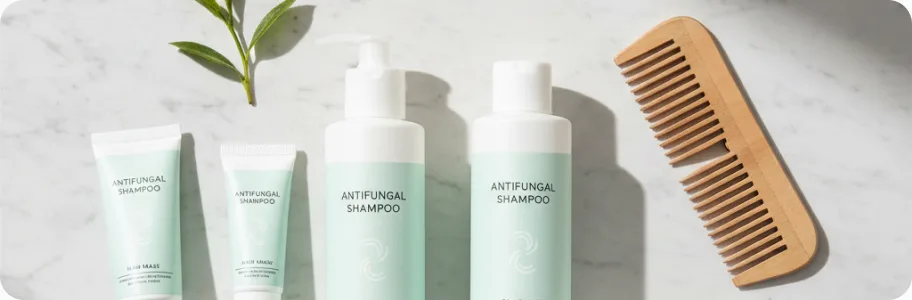
The effectiveness of an antifungal shampoo depends directly on using it correctly. Apply a small amount to the wet scalp and massage gently with the fingertips — not the nails, so as not to injure the skin. The key point is contact time: leave the shampoo on the skin for 3–5 minutes so that the active ingredients can work. Rinsing too soon reduces effectiveness considerably. How often to use it is decided by the doctor: usually 2–3 times a week during active treatment, then once a week for prevention. On the days in between, use a gentle sulphate-free product.
Common mistakes
The most common mistake is stopping treatment as soon as the symptoms disappear. The fungus can persist in the upper layers of the skin even when nothing is visible, so stopping the course early leads to relapse within 2–4 weeks. The second mistake is using it too often: washing daily with a medicated shampoo dries the skin and disrupts its barrier function. The third is applying it only to the hair rather than to the scalp, where the fungus actually is. Nor is it a good idea to combine several medicated shampoos at once without a doctor's advice — the active ingredients can interact and cause irritation.
Additional care during treatment
Antifungal treatment works best combined with the right care. Avoid hot water — it stimulates the sebaceous glands and increases flaking. After washing, do not rub the hair with a towel but blot it gently. Limit the use of a hairdryer at maximum heat. Replace your comb and your pillow — fungus can survive on surfaces. A balanced diet with enough zinc, B vitamins and omega-3 fatty acids supports skin health from within. Managing stress matters too — it is a proven trigger for flares of seborrhoeic dermatitis.
Related reading
Did not find the answer to your question?
Every case is individual. If you have noticed changes in your skin, or have symptoms that concern you, book a consultation.